


Tonsillitis, Chronic Tonsillitis & Tonsil Stones
Symptoms, Diagnosis and Treatment
Tonsil stones may cause milder but persistent symptoms. These can include:
- Persistent bad breath despite good oral hygiene
- A foreign body sensation in the throat
- Visible white or yellow lumps lodged within the tonsils
- Mild discomfort when swallowing
- Occasional referred ear pain
Some individuals describe a sensation of something being stuck at the back of the throat. Larger stones may become more noticeable when speaking, coughing or swallowing.
Small tonsil stones may cause no symptoms and are sometimes discovered incidentally during examination. However, when stones recur frequently or cause significant discomfort,
What is Tonsillitis?
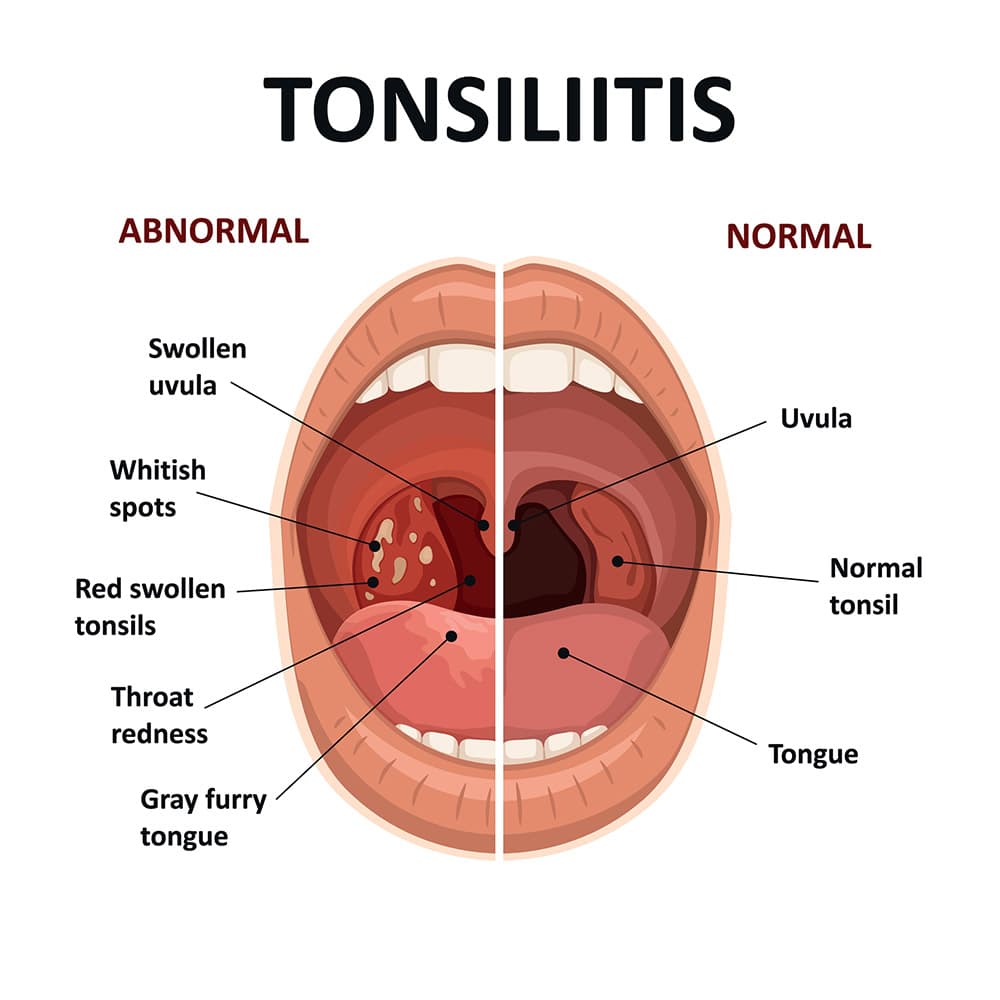
Tonsillitis is inflammation of the tonsils, the two oval-shaped tissues located at the back of the throat. The tonsils form part of the immune system and help trap bacteria and viruses entering through the mouth and nose.
When infected or inflamed, the tonsils may become swollen and painful, leading to sore throat, difficulty swallowing and fever.
Tonsillitis may be acute, chronic or recurrent, depending on how long symptoms last and how frequently infections occur.
Most acute infections improve within a week. However, if symptoms persist longer than usual or keep recurring, further evaluation may be recommended.
What are Tonsil Stones and How Do They Differ from Tonsillitis?
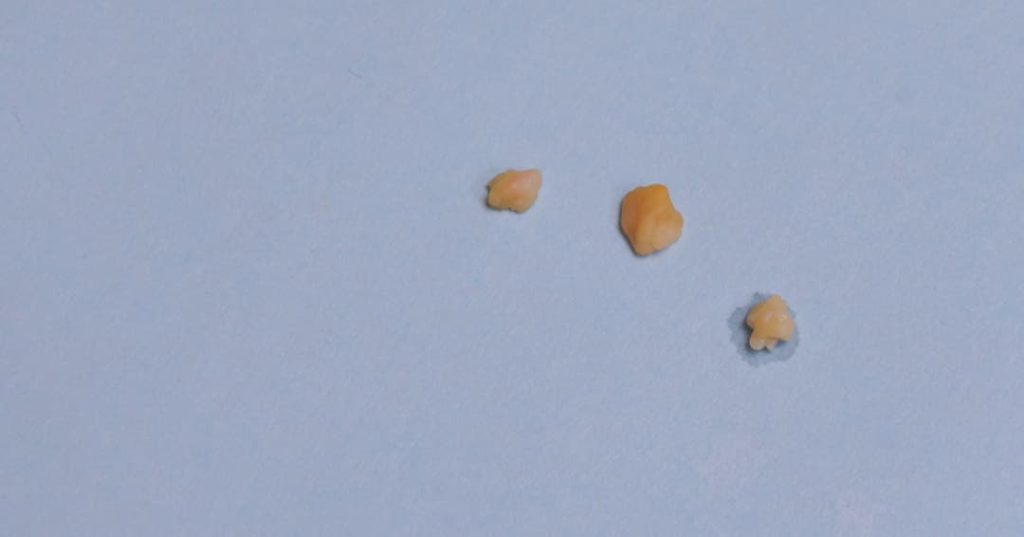
Tonsil stones, also known as tonsilloliths, are small, hardened deposits that form within crevices of the tonsils when debris such as food particles and bacteria become trapped. They are not always linked to active infection.
While the two conditions are related, they are different:
Tonsillitis involves infection and inflammation, whereas tonsil stones are a buildup within the tonsillar tissue. However, people with chronic or recurrent tonsillitis may be more prone to developing tonsil stones.
Treatment depends on severity. Acute tonsillitis often improves with medical care, while persistent inflammation or recurrent symptomatic stones may lead to consideration of tonsillectomy.

Dr. Ong Yew Kwang
Senior Consultant ENT Specialist & Rhinologist
Dr Ong Yew Kwang is an experienced ENT specialist with over 20 years of clinical practice. He graduated with honours from Trinity College, University of Dublin and completed ENT specialist training in 2008, earning the gold medal in the national exit examination. He later undertook subspecialty fellowship training in Rhinology and Endoscopic Skull Base Surgery at the University of Pittsburgh Medical Center, USA.
Before entering private practice, Dr Ong served as Senior Consultant and Director of Clinical Service at the National University Hospital (NUH), where he co-led the endoscopic skull base programme. He also holds a Master of Medicine in Sleep Medicine and a Post-Graduate Certificate in Allergy.
Acute, Chronic and Recurrent Tonsillitis
Tonsillitis is classified based on duration and pattern:
Acute Tonsillitis
Acute tonsillitis develops suddenly and usually lasts less than 7 to 10 days. It is commonly caused by viral infections, although bacterial infections such as streptococcal throat infection may occur.
Most acute infections recover within a week with appropriate supportive treatment.
Chronic Tonsillitis
Chronic tonsillitis refers to persistent inflammation lasting several weeks or infections that do not completely resolve.
Patients may experience ongoing throat discomfort, bad breath or persistent swelling.
Chronic inflammation can also contribute to the formation of tonsil stones.
Recurrent Tonsillitis
Recurrent tonsillitis refers to repeated episodes occurring several times a year with full recovery between episodes.
Some clinical guidelines use four or more significant infections per year as a reference when defining recurrent tonsillitis.
Frequent infections may disrupt work, school attendance and sleep.
Symptoms of Tonsillitis
Symptoms of tonsillitis can vary depending on whether the infection is acute, chronic or recurrent. They commonly include:
- Severe sore throat that may develop suddenly
- Pain or difficulty when swallowing
- Fever and general fatigue
- Red, swollen tonsils
- White patches or pus on the tonsils
- Swollen glands in the neck
- Muffled or hoarse voice
Some patients may also experience headache, reduced appetite or a feeling of fullness in the throat. In more significant cases, swallowing may become uncomfortable enough to affect fluid intake.
In children, symptoms can present slightly differently:
Irritability, drooling, refusal to eat or drink and disturbed sleep may occur. If there is difficulty breathing, inability to swallow saliva or marked neck swelling, urgent medical attention is required.
Symptoms of Tonsil Stones
Tonsil stones may cause milder but persistent symptoms. These can include:
- Persistent bad breath despite good oral hygiene
- A foreign body sensation in the throat
- Visible white or yellow lumps lodged within the tonsils
- Mild discomfort when swallowing
- Occasional referred ear pain
Some individuals describe a sensation of something being stuck at the back of the throat. Larger stones may become more noticeable when speaking, coughing or swallowing.
Small tonsil stones may cause no symptoms and are sometimes discovered incidentally during examination. However, when stones recur frequently or cause significant discomfort,

Diagnosis and Assessment
Diagnosis begins with a detailed consultation and careful examination of the throat:
Understanding the pattern of symptoms is important in determining whether the condition is acute, chronic or recurrent, and whether tonsil stones are contributing to discomfort.
Your ENT specialist will assess:
- Appearance and size of the tonsils
- Presence of redness, swelling, discharge or stones
- Frequency and severity of infections
- Associated symptoms such as snoring, mouth breathing or disturbed sleep
A review of medical history, including previous episodes and response to treatment, helps guide management decisions.
Where necessary, a throat swab may be performed to confirm bacterial infection, particularly if streptococcal tonsillitis is suspected.
In selected cases, further evaluation may be advised if enlarged tonsils are contributing to sleep-related breathing issues.
Accurate diagnosis ensures that treatment is appropriate, targeted and avoids unnecessary antibiotic use.
Treatment for Tonsillitis
Treatment depends on whether the condition is acute, chronic or recurrent, as well as the severity of symptoms.
In acute tonsillitis, management is usually supportive. This may include pain relief medication, anti-inflammatory medication, adequate hydration and rest. Gargles, lozenges or throat sprays can help relieve discomfort.
If a bacterial infection is confirmed or strongly suspected, antibiotics may be prescribed. Most acute infections improve within a week.
In chronic or recurrent tonsillitis, treatment focuses on managing flare-ups and addressing contributing factors such as post-nasal drip or ongoing throat irritation.
If infections occur frequently or significantly affect daily life, surgical removal of the tonsils may be discussed.
Management is individualised based on the pattern and impact of symptoms.
Treatment for Tonsil Stones
Small tonsil stones that do not cause symptoms may not require treatment.
When stones cause discomfort, bad breath or a persistent foreign body sensation, management usually begins with conservative measures. These may include improving oral hygiene and regular gargling with salt water to help clear debris.
In selected cases, manual removal can be performed carefully under medical guidance.
If tonsil stones recur frequently or are associated with chronic tonsillitis, more definitive treatment may be considered.
Tonsillectomy
Tonsillectomy is the surgical removal of the tonsils. It may be considered when infections are frequent, persistent or significantly affecting quality of life, particularly when medical treatment has not provided lasting improvement.
Your ENT specialist may recommend tonsillectomy in patients with:
- Recurrent tonsillitis occurring several times a year
- Chronic tonsillitis not responding to medical therapy
- Frequent or troublesome tonsil stones
- Complications such as peritonsillar abscess
- Enlarged tonsils causing breathing obstruction, snoring or disturbed sleep
The procedure is performed under general anaesthesia and is carried out through the mouth, without external incisions. It typically takes less than an hour.
Most patients return to normal daily activities within one to two weeks. Throat discomfort during recovery is expected and is managed with pain medication, adequate hydration and temporary dietary adjustments. Mild referred ear pain is common during healing and usually settles gradually.
Before proceeding, your ENT specialist will carefully assess your condition and discuss the expected benefits, recovery process and potential risks to help you make an informed decision.
Guiding You Through Persistent Tonsillar Challenges

Repeated episodes of tonsillitis or persistent tonsil stones can be frustrating and disruptive, particularly when symptoms continue despite medication.
A structured ENT assessment can help determine whether the condition is acute, chronic or recurrent, and whether further treatment may reduce future episodes.
If you have ongoing throat discomfort, frequent infections or troublesome tonsil stones, we invite you to arrange a consultation for a detailed evaluation and personalised treatment discussion.
Contact our clinic to schedule an appointment.