

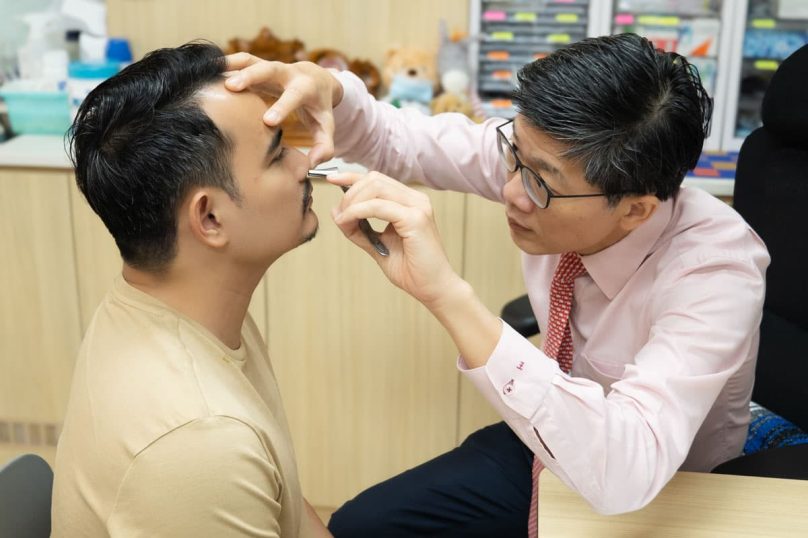
Deviated Septum Surgery: Septoplasty
Understanding when surgery is needed, the procedure and cost considerations
Deviated septum surgery is performed to correct structural misalignment of the nasal septum that causes persistent nasal obstruction.
The most common procedure is septoplasty, which straightens the internal nasal partition to improve airflow.
Surgery is generally recommended when symptoms such as chronic nasal blockage, recurrent sinus infections or sleep disturbance do not improve with medical treatment.
Read on to learn more about the indications for surgery, the procedures available and the cost considerations in Singapore.
When is Deviated Septum Surgery Considered?
Not all septal deviations require surgery. Many individuals have mild deviation without significant symptoms and are able to breathe comfortably without intervention.
Deviated septum surgery may be considered when symptoms are persistent and clearly linked to structural narrowing of the nasal airway. This may include:
- Nasal obstruction that is ongoing and affects daily comfort or sleep
- Breathing difficulty that does not improve with appropriate medical treatment
- Recurrent sinus infections associated with impaired sinus drainage
- One-sided blockage that significantly limits airflow
- Structural deformity that compromises nasal function
Before recommending surgery, a structured assessment is performed to confirm that symptoms are primarily due to septal deviation rather than inflammation from allergies, turbinate enlargement or infection.
In some cases, medical therapy may be optimised first before proceeding to surgical correction.

Dr. Ong Yew Kwang
Senior Consultant ENT Specialist & Rhinologist
Dr Ong Yew Kwang is an experienced ENT specialist with over 20 years of clinical practice. He graduated with honours from Trinity College, University of Dublin and completed ENT specialist training in 2008, earning the gold medal in the national exit examination. He later undertook subspecialty fellowship training in Rhinology and Endoscopic Skull Base Surgery at the University of Pittsburgh Medical Center, USA.
Before entering private practice, Dr Ong served as Senior Consultant and Director of Clinical Service at the National University Hospital (NUH), where he co-led the endoscopic skull base programme. He also holds a Master of Medicine in Sleep Medicine and a Post-Graduate Certificate in Allergy.
What is Septoplasty?
Septoplasty is a surgical procedure performed to straighten the deviated septum and widen the nasal airway.
The operation is carried out internally through the nostrils, without external incisions:
During the procedure, the nasal lining is carefully lifted to access the underlying cartilage and bone. The deviated portions are reshaped, repositioned or removed where necessary to restore more balanced airflow while maintaining structural support.
The aim of septoplasty is to improve nasal breathing and sinus ventilation. It does not typically change the external appearance of the nose, as the focus is on correcting internal structural alignment.
In selected cases, septoplasty may be combined with turbinate reduction if soft tissue enlargement is also contributing to obstruction. This combined approach may provide more effective relief when both structural and inflammatory factors are present.
How is the Procedure Performed?
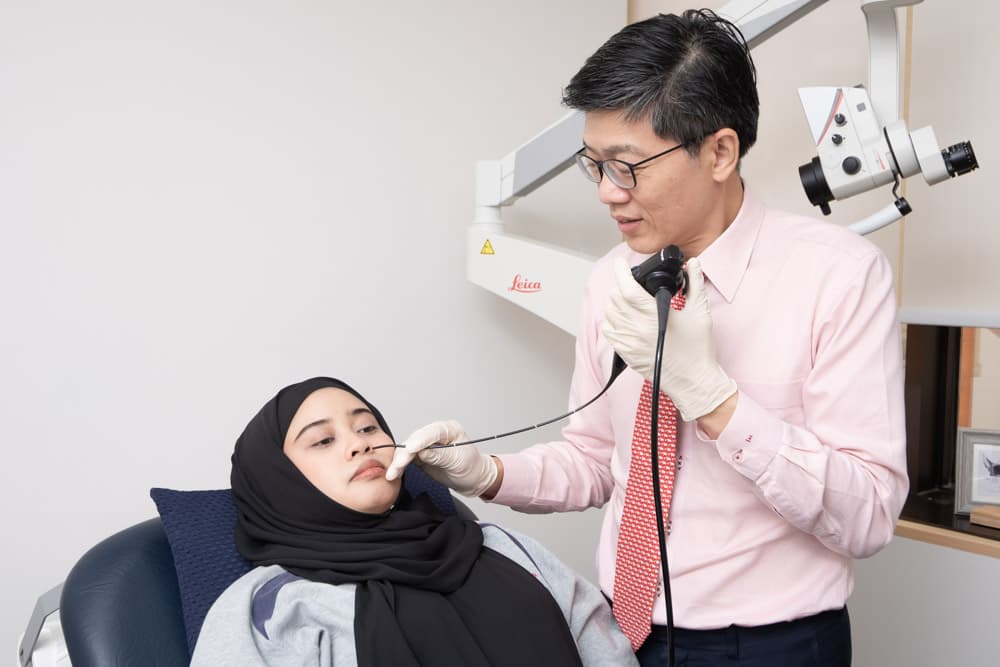
Surgery is typically performed under general anaesthesia to ensure comfort and safety throughout the procedure.
During septoplasty, the nasal lining is carefully lifted to expose the underlying deviated cartilage and bone. The bent portions are then reshaped, repositioned or trimmed where necessary to achieve improved alignment. Care is taken to preserve structural support while widening the nasal airway.
Most procedures are performed as day surgery or overnight stay. Detailed postoperative instructions are provided before discharge.
How Long Does Septoplasty Surgery Take?
Septoplasty typically takes about 60 to 90 minutes, depending on the degree of septal deviation and whether additional procedures such as turbinate reduction are performed. More complex cases, including septorhinoplasty, may require a longer operating time.
Preparing for Septoplasty
Preparation helps support a safe procedure and smooth recovery.
Before surgery, a detailed consultation is conducted to confirm the diagnosis, discuss expectations and finalise the surgical plan. Your medical history and current medications will be reviewed carefully.
Pre-operative investigations may be arranged depending on your age and medical background. Certain medications that increase bleeding risk may need to be paused temporarily under medical guidance.
Fasting instructions are provided prior to surgery, and arrangements should be made for someone to accompany you home after the procedure.
Individual instructions are tailored to your health profile to optimise safety and healing.
Is Septoplasty Painful?
Septoplasty is performed under general anaesthesia, so you will not feel pain during the procedure itself.
After surgery, most patients experience mild to moderate discomfort rather than severe pain. A sensation of nasal congestion, pressure or fullness is more common than sharp pain, particularly during the first week of recovery.
Pain relief medication is typically prescribed to keep discomfort manageable and symptoms generally improve as swelling settles.
What to Expect After Deviated Septum Surgery
Nasal congestion and mild discomfort are expected during the first one to two weeks due to internal swelling.
Breathing may initially feel blocked, particularly in the early stages of healing. As swelling gradually settles, airflow typically improves over several weeks.
Light nasal discharge or minor spotting may occur in the first few days. Most patients resume light daily activities within a few days. Strenuous exercise, heavy lifting and contact sports are usually deferred for at least two weeks to allow proper healing.
Follow-up appointments are scheduled to monitor recovery and ensure appropriate healing.
Cost of Septoplasty
The cost of deviated septum surgery varies depending on surgical complexity, anatomical considerations and whether additional procedures are performed at the same time.
Based on Ministry of Health fee benchmarks, the surgeon’s professional fee typically starts from around $3,100 in private practice. The higher end of the surgeon’s fee range varies according to case complexity and the extent of correction required.
This figure refers to the surgeon’s professional fee only. It does not include hospital facility charges, anaesthetist fees, consumables, consultation fees, post-operative care or prevailing GST.
A personalised cost estimate can be provided after consultation once the surgical plan has been confirmed.
Insurance & MediSave
Septoplasty performed for functional nasal obstruction may be eligible for MediSave withdrawal and insurance claims, subject to policy terms and medical necessity.
Coverage depends on individual Integrated Shield Plans, policy limits and hospital arrangements. Pre-authorisation may be required by certain insurers prior to admission.
Our clinical team can assist with documentation and insurer coordination where applicable. Patients are encouraged to check directly with their insurer for specific details regarding coverage, co-pay and claim limits.
Exploring Septoplasty for a Deviated Septum?

If ongoing nasal obstruction has not improved with medication, a focused surgical assessment can help determine whether septoplasty or septorhinoplasty is appropriate for your condition.
At Advanced Sinus & Skull Base Centre, your nasal anatomy is carefully evaluated to confirm that symptoms are primarily structural and suitable for surgical correction. The risks, expected recovery and cost considerations are discussed in detail so you can make an informed decision.
Each treatment plan is individualised based on symptom severity, anatomical findings and overall health.
Appointments are available for surgical consultation and second opinions.